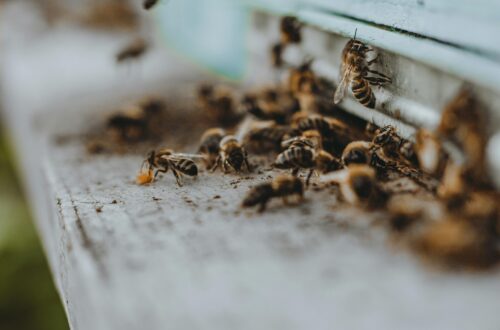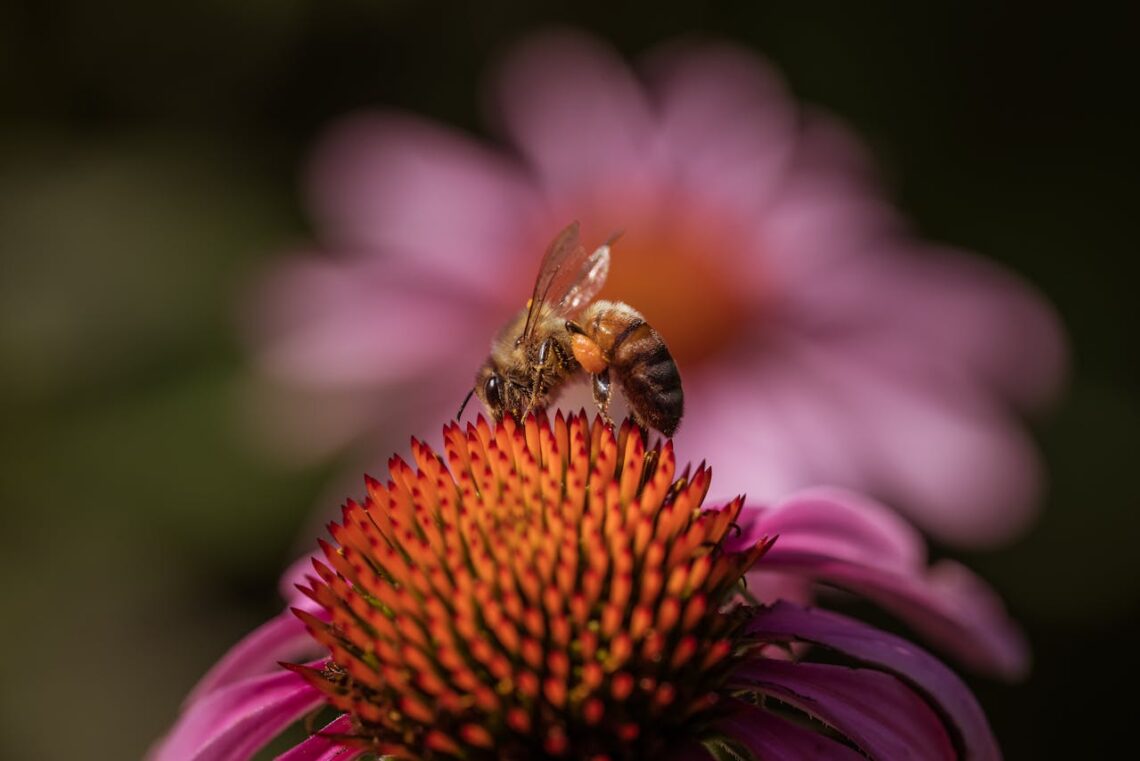
I’m officially starting to learn beekeeping! This spring, I’m getting my first bees! I’m so excited-but also really nervous. I want my bees to live! And not just to live, but to thrive. I’m envisioning myself as a natural bee whisperer. Listening to the bees and having an innate ability to give them exactly what they need. Oh boy. Probably not gonna happen. But I want to learn as much as possible so that when the bees do “speak” to me, then I know what they are saying.
Since learning about bees, one thing many people recommend is having a wide variety of pollen sources for the bees throughout each growing season. And so, I’ve decided to plant lots of herbs and flowers!! Plants and I have recently improved our relationship. What I mean is, I don’t kill all the plants anymore. One year, when I was a teenager, I killed a cactus. I didn’t even know you could do that.
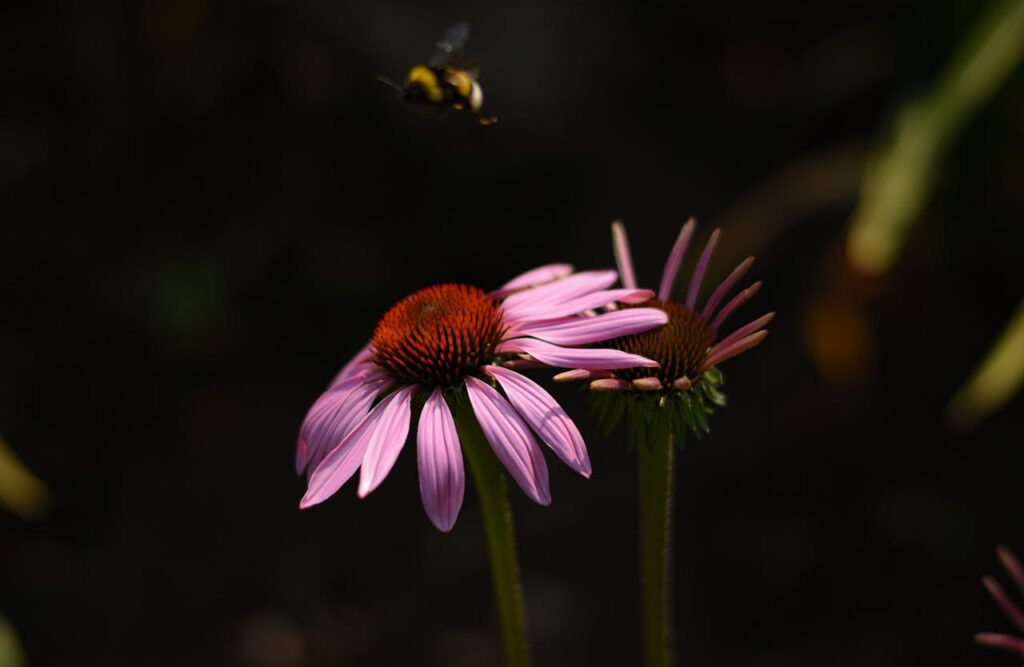
This is going to take a lot of work, but if it means helping the bees-I’m ready for it.
Steps To Seed Starting
- Test soil and amend it according to its needs.
- Make a plan for what to plant. It’s good to know how much space you have, first. So, measure the garden. Native plants are best. But there are some fun flowers/plants that bees love that are not native.
- List out all the supplies you need and the final cost. Fancy isn’t important. Think practically-but also organically. It’s possible to be both.
- Timeline when you will plant for each seed. This involves researching each kind of plant you will have in garden. Know the season to plant and how to plant it. Lavender will be different than Sunflowers. Make a schedule and put it on the calendar.
- Follow the timeline and schedule, making sure to keep in mind everything you learned in your research about each plant.
- Watch the bees enjoy! My hope is to enjoy a great honey harvest, too!
I’ll be going through each step in more detail as a I tackle this list. Be on the lookout for future blog posts. The first post will be all about testing soil and amending it.
Conclusion
I’m excited to plant my garden this year. In the past, we’ve planted vegetable gardens. But planting flowers will be different, and I’m looking forward to learning more about flower gardens and how best to help my bees thrive in every season.